O čem to je
Sook-kyung, the youngest tomboy princess, loves playing hide and seek with her same-aged court ladies and is extremely curious about the life outside the palace. An opportunity comes for her on queen mother’s birthday celebration. Princess Sook-kyung gets to explore the outside world with the help of her older sister princesses and falls in love with a Seonggyungwan scholar she meets coincidentally. The variety of character twists in this film which is reminiscent of romantic comedies such as Roman Holiday and Shakespeare’s Twelfth Night. The queen mother with a fancy royal costume but wears glasses because of her poor vision, and the court ladies who protect the princess day and night are usually slow and doze off but have the strength to push against male henchmen. The princes outside the palace walls seem like that of a naïve country girl who eats a rice cake at the marketplace because she thinks it’s free.
Český popisek není k dispozici.
Obsazení
Kdo hraje v filmu One-sided Love of Princess - herci a jejich role.
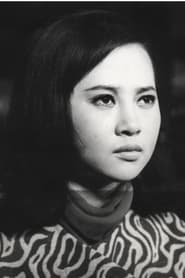
Nam Jeong-im
남정임
Nam Čong-im
jako Princess Sook-gyeong
Kim Gwang-su
jako Kim Son-doKim Seon-do

Jo Mi-ryeong
조미령
Čo Mi-rjong
jako Princess Sook-jeong
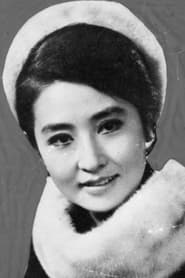
Jeon Gye-hyeon
전계현
Čon Kje-hjon
jako Princess Sook-hui

Gang Mi-ae
강미애
Kang Mi-e
jako Bok-sil

Park Ji-hyeon
박지현
Pak Či-hjon
jako Princess Sook-ahn
Han Mi-ja
한미자
Han Mi-dža
jako Princess Sook-myeong
Kim Myeong-ja
jako Princess Sook-shin
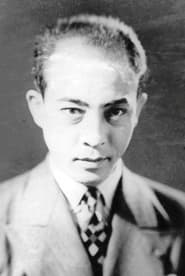
Seo Wol-yeong
서월영
So Wol-jong
jako Lord Jang

Bang Su-il
방수일
Pang Su-il
jako Lord Wol-seong
Zajímavosti
Kulturní a historický kontext k tomu, co je v díle vidět.
Související témata
Země klobouků
Ukázat se v období dynastie Čoson před ostatními s nezakrytou hlavou nebo s rozpuštěnými vlasy bylo nemyslitelné. Považovalo se to za projev barbarství, hrubé neslušnosti nebo za znak nedospělosti. Šlechtici si hlavu zakrývali dokonce i doma v soukromí rodiny.
Smrtelná váha módy
Paruky Gache, oblíbené u dvora, mohly vážit i více než 3 - 4 kilogramy. Když tato objemná ozdoba hlavy zlomila teprve třináctileté nevěstě z bohaté šlechtické rodiny vaz, posloužilo to jako jeden z argumentů, proč byly králem Jongžem (영조) v roce 1756 zakázány.