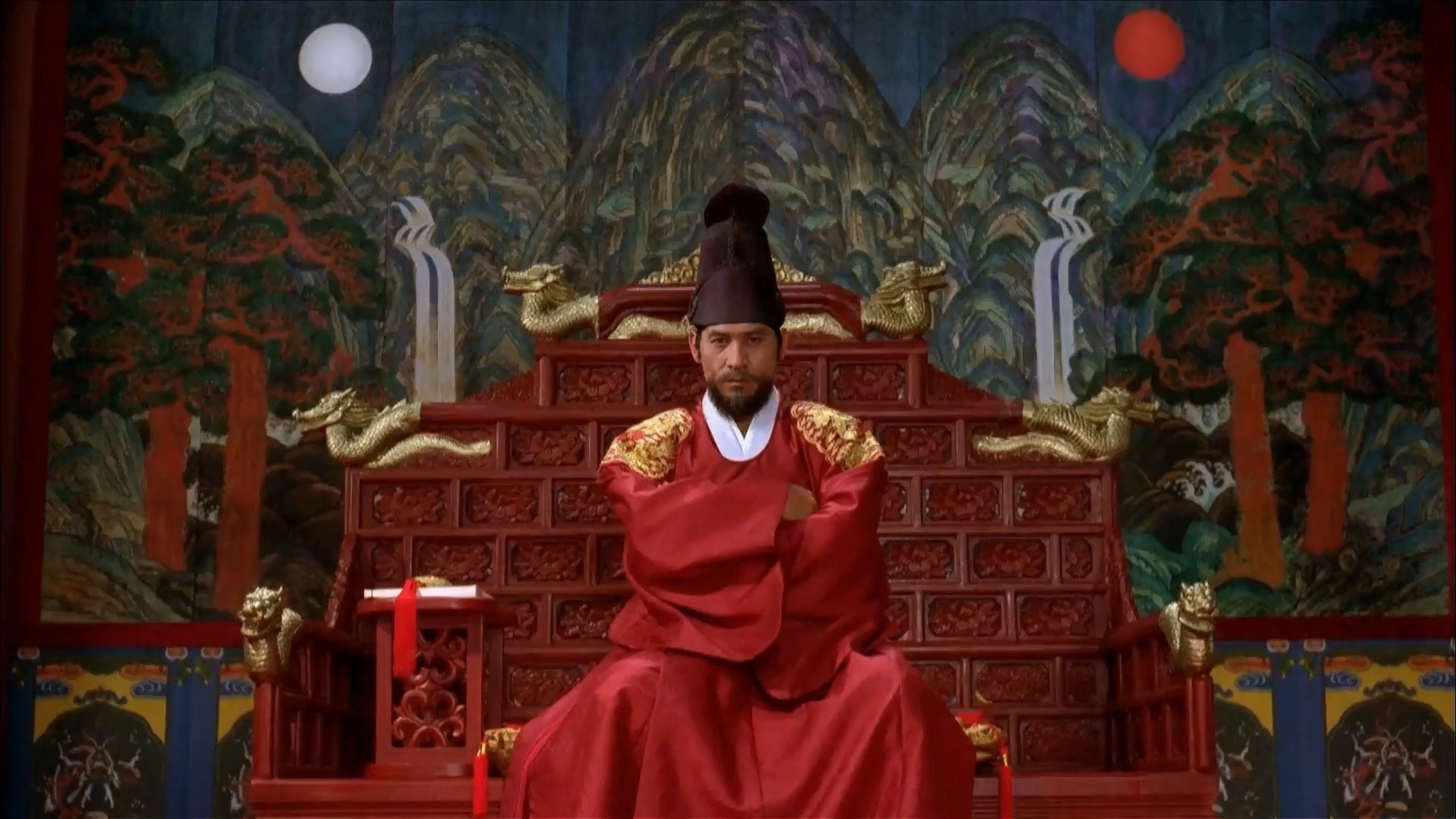
O čem to je
This film depicts the struggles of the Royal Party and the Old Party to obtain political power. In 1800, The Royal Party insisted that the political power should be centralized to the King, but the other party (The Old Party) insisted that the political power should be centralized to the majority of the ministers. One day, official Jang was ordered by the King to arrange and edit the record of the former King Yeongjo. All of a sudden, Jang dies. Soon it was disclosed that Jang was killed by the Old Party because of their connection with the book. For this incident , the King tried to get rid of key members of the Old Party, but the Old Party resists the King's will. What was in the book? Who was involved? Why? The political intrigue will keep you on the edge of your seat.
Český popisek není k dispozici.
Obsazení
Kdo hraje v filmu The Eternal Empire - herci a jejich role.
Ahn Sung-ki
안성기
An Song-gi
jako King Jeongjo

Cho Jae-hyun
조재현
Čo Če-hjon
jako Lee In Mong

Kim Myung-gon
김명곤
Kim Mjong-gon
jako Jeong Yak-Yong
Choi Jong-won
최종원
Čchwe Čong-won
jako Šim Hwan-džiSim Hwan-ji

Kim Hye-soo
김혜수
Kim Hje-su
jako Jun Sang-aYoon Sang-ah
Lee Seung-cheol
이승철
I Sung-čchol
jako So Jong-suSeo Yong-soo

Kim Hee-ra
김희라
Kim Hui-ra
jako I Čo-wonLee Jo-won
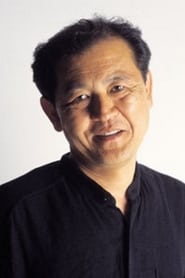
Kim Il-woo
김일우
Kim Il-u
jako Jeong Chun-gyo
Im Il-chan
임일찬
Im Il-čchan
jako Ku Če-gjomGu Jae-gyeom
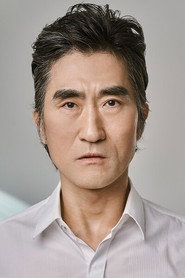
Kim Jae-rok
김재록
Kim Če-rok
jako Lee Jeong-rae
Zajímavosti
Kulturní a historický kontext k tomu, co je v díle vidět.
Související témata
Země klobouků
Ukázat se v období dynastie Čoson před ostatními s nezakrytou hlavou nebo s rozpuštěnými vlasy bylo nemyslitelné. Považovalo se to za projev barbarství, hrubé neslušnosti nebo za znak nedospělosti. Šlechtici si hlavu zakrývali dokonce i doma v soukromí rodiny.
Smrtelná váha módy
Paruky Gache, oblíbené u dvora, mohly vážit i více než 3 - 4 kilogramy. Když tato objemná ozdoba hlavy zlomila teprve třináctileté nevěstě z bohaté šlechtické rodiny vaz, posloužilo to jako jeden z argumentů, proč byly králem Jongžem (영조) v roce 1756 zakázány.